Funny Cat Embroidery: A Designer’s Review for Craft Fair Success
As an embroidery designer who has spent countless hours behind the hoop and even more time standing behind a booth table at weekend markets, I have learned that not all designs are created equal. Some look stunning on a screen but fail to capture attention in person. Others are so complex they take forever to stitch, eating into your profit margins. Today, I am putting the Funny Cat embroidery design under the microscope. This review is written specifically for craft fair sellers, Etsy shop owners, and handmade entrepreneurs who need to know if this specific asset will convert browsers into buyers.
First Impressions: Charm Meets Commercial Viability
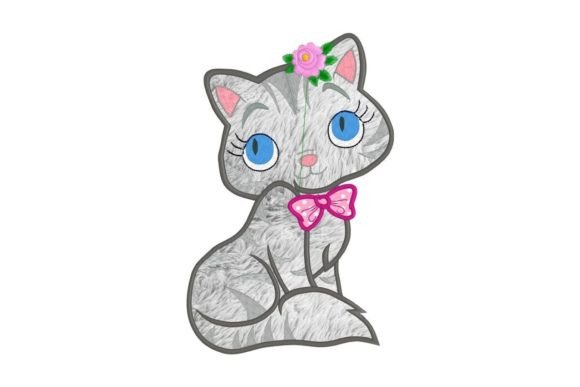
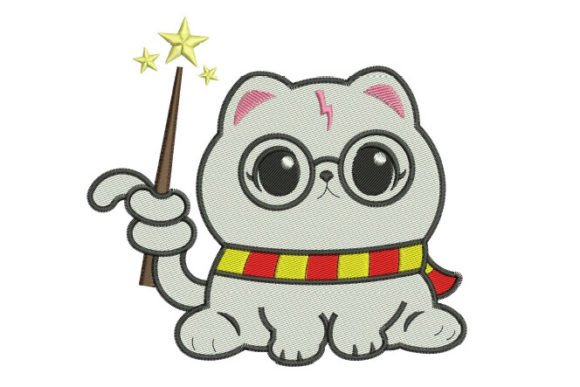
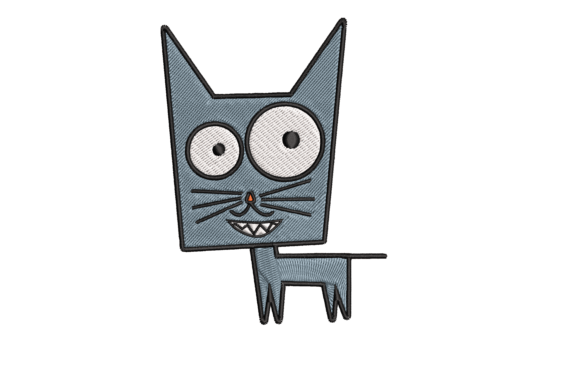
When I first loaded the Funny Cat machine embroidery design into my software, my immediate reaction was one of relief mixed with excitement. In a market saturated with generic floral motifs and overly serious monograms, a design that leans into humor and personality stands out. The description promises "adorable charm and intricate" details, and visually, it delivers. It does not feel stiff or corporate; instead, it radiates a playful, modern energy that appeals to a wide demographic.
For a craft fair product, visual immediacy is everything. Customers walking past your booth have seconds to decide if they should stop. The Funny Cat motif is bold enough to be seen from a few feet away, yet it retains enough character to invite a closer look. It strikes a balance between cute and funny, avoiding the trap of being too childish for adult buyers or too subtle for impulse purchasers. This versatility makes it a strong contender for a small shop product lineup.
Product Applications: Where This Design Shines
The true test of any digital embroidery file is its adaptability. I evaluated how this design performs across various common handmade items. Here is where I believe it adds the most value:
- Tote Bag Design: This is arguably the best application. A canvas tote with a centered, medium-sized Funny Cat creates an instant statement piece. It transforms a basic utility item into a personalized accessory. The design’s charm complements the casual nature of cotton canvas, making it a top seller for students, cat lovers, and eco-conscious shoppers.
- Apron Embroidery: Kitchenware is a huge category for handmade markets. Placing this design on the bib of a sturdy cotton apron adds whimsy to a functional item. It works particularly well for gift sets, appealing to those looking for unique housewarming presents.
- Tea Towel Embroidery: While delicate, tea towels are high-volume sellers. However, you must be cautious here. Ensure the stitch density is not too high, as it can cause puckering on thin linen or cotton blends. If the design allows for scaling down without losing clarity, it makes for an adorable accent near the hem.
- Embroidered Patch: Patches are low-commitment purchases that add up quickly. If the design holds up at a smaller scale, turning it into an iron-on or sew-on patch allows customers to customize their own jackets or bags. This expands your reach beyond pre-made goods.
- Caps and Headwear: Curved surfaces are tricky. If the design is not too wide, it can work beautifully on the front panel of a dad hat. The humor of the cat pairs well with the casual vibe of embroidered caps.
Production Practicality and Batch Efficiency
From a business owner’s perspective, time is money. A design might look beautiful, but if it takes four hours to stitch, it is not viable for a busy craft fair season. While I do not have the exact stitch count for this specific Funny Cat file, the description suggests "intricate" details. This implies you must check the stitch density before committing to a large batch.
I recommend running a test stitch-out on scrap fabric identical to your final product. Pay close attention to the thread colors. Does the design rely on subtle shading that might get lost on textured fabrics? Or does it use bold, contrasting threads that pop? For a craft fair product, high contrast usually wins. Ensure that the transition between colors is smooth and that there are no excessive jump stitches that require tedious trimming.
Batch production is key to profitability. If this design runs cleanly without frequent thread breaks or bird nests, it becomes a reliable staple in your inventory. Consistency in your finished product builds trust with repeat customers. If the design is too dense, consider using a cut-away stabilizer for garments or a tear-away for stable home decor items to maintain shape without adding unnecessary bulk.
Visual Appeal and Marketing Potential
In the digital age, your product must sell twice: once in person and once online. For Etsy sellers and digital marketers, the Funny Cat design offers excellent potential for engaging content. It photographs well because facial expressions and character details draw the eye. When creating your printable mockup or listing images, ensure the lighting highlights the texture of the stitches.
This design aids in brand consistency if your shop focuses on whimsical, pet-loving, or humorous themes. It helps create a cohesive booth display strength. Imagine a table draped in neutral linens, with pops of color provided by the Funny Cat embroidered on pillows, bags, and pouches. The repetition of the motif creates a professional, curated look that signals quality to potential buyers.
Furthermore, humor drives engagement. People love to share cute and funny things on social media. A well-executed embroidered cat is highly shareable, potentially driving organic traffic to your small shop product pages. It invites comments and tags, which is invaluable for free marketing.
Critical Considerations for the Embroiderer
Before you launch this design into your commercial embroidery lineup, there are several technical checks you must perform. Not every file is optimized for every machine or fabric.
- Check the Hoop Size: Confirm the dimensions of the design against your available hoops. If it requires a large hoop, you may be limited in the types of products you can offer. Smaller, versatile sizes often yield higher sales volume due to lower material costs.
- Fabric Texture Matters: Intricate designs can get lost on thick, textured towels or fuzzy fleece. Test the design on terry cloth if you plan to sell bath items. You may need to adjust the underlay or use a water-soluble topping to keep the stitches sitting on top of the fibers.
- Small Lettering and Details: If the Funny Cat design includes any text or tiny facial features, verify that they remain legible at smaller sizes. Tiny details can merge into a blob if the stitch resolution is not high enough or if the fabric shifts during stitching.
- Commercial Licensing: This is non-negotiable. Before selling any finished product, confirm that your purchase of the digital embroidery file includes a commercial license. Never assume; always read the terms provided by the designer.
- Thread Contrast: Choose thread colors that stand out against your fabric. A dark cat on a navy bag will vanish. Use the design assets to plan colorways that maximize visibility and appeal.
Final Verdict for Handmade Sellers
The Funny Cat embroidery design is a promising addition to any maker’s library, particularly for those targeting the pet lover and gift markets. Its strength lies in its emotional appeal—it makes people smile. In the competitive landscape of handmade goods, emotion sells. By carefully selecting the right products, such as tote bags and aprons, and paying attention to technical details like stabilizer choice and stitch density, you can turn this digital asset into a profitable physical product.
Remember, the success of this design depends on your execution. Test it, tweak it, and present it with confidence. Whether you are decorating your home or building a booth for the next big market, this design offers the personal touch and adorable charm that modern consumers crave. Just ensure you verify the specific file details, such as format and size, to match your equipment, and you will be well on your way to creating standout pieces that fly off the table.