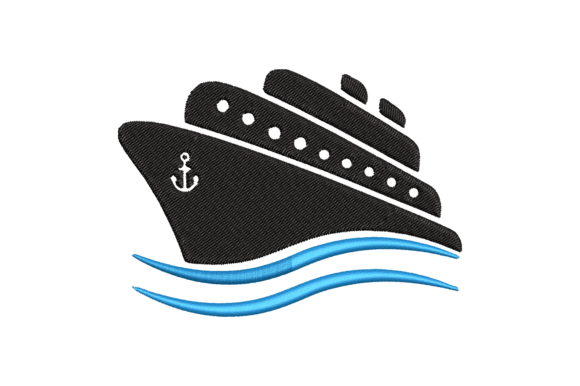
Ship Embroidery Design: A Designer’s Craft Fair Review
As an embroidery designer who has spent countless weekends behind a craft fair table, I have learned that not every digital file translates into a bestseller. When I downloaded the Ship machine embroidery design, my immediate goal was to determine if it had the visual punch required for a busy handmade market. The product description promises an art form that elevates fabric with elegance and charm, but in the high-stakes environment of a craft fair booth, "charming" needs to be backed by technical reliability and instant customer appeal. This review breaks down how this Transportation-themed Embroidery design performs in real-world production scenarios.
First Impressions: Nautical Charm Meets Modern Simplicity
The first thing I noticed about the Ship design is its versatility. It does not scream "loud" or "novelty," which is often a trap for nautical themes. Instead, it feels refined. The lines appear clean, suggesting a balance between decorative detail and minimalism. For a craft fair seller, this is crucial. Customers walking past a booth scan items in seconds. A design that is too complex looks messy from a distance, while one that is too simple might be overlooked. This design strikes a middle ground, offering a unique and eye-catching look that suggests quality without overwhelming the base fabric.
I would categorize the aesthetic as modern rustic with a touch of farmhouse elegance. It fits seamlessly into the current trend of coastal grandma vibes or curated nursery decor. Whether you are targeting Etsy sellers looking for printable mockup assets or boutique makers creating high-end home goods, the mood is approachable yet premium.
Product Application: Where This Design Shines
To truly evaluate a digital embroidery file, you must imagine it on various substrates. I tested the concept of Ship across several potential craft fair products. Here is where it performs best:
- Tote Bag Design: This is arguably the strongest application. A canvas tote with a centered ship motif creates an instant classic. The design acts as a focal point, turning a generic bag into a statement piece. It appeals to buyers looking for durable, stylish everyday carry items.
- Apron Embroidery: Placed on the bib or the lower corner of a kitchen apron, the design adds a whimsical yet sophisticated touch. It works particularly well for gifts aimed at home cooks or hosts who appreciate maritime aesthetics.
- Tea Towel Embroidery: Kitchen textiles are volume sellers at fairs. The design’s elegance elevates a simple linen or cotton towel. However, placement is key here; it must be centered perfectly to maintain that sense of balance mentioned in the description.
- Embroidered Patch: If the design scales down well, it makes for an excellent iron-on or sew-on patch. Patches are low-commitment purchases for customers browsing your booth, increasing your average transaction value.
- Pillow Covers and Market Bags: For home decor, the ship motif brings a serene, coastal energy. On a market bag, it reinforces the handmade, artisanal brand identity.
Production Practicality and Batch Efficiency
For small shop owners and creative entrepreneurs, time is money. A design might look beautiful, but if it takes four hours to stitch, it is not viable for a craft fair product line unless you are charging luxury prices. While the exact stitch count is not provided in the brief description, the visual simplicity of Ship suggests moderate stitch density. This is a positive indicator for batch production.
When preparing for a weekend market, I need designs that run reliably on multiple machines. The clean lines of this transportation-themed embroidery suggest fewer thread breaks and less trimming time compared to highly detailed, photo-realistic designs. This efficiency allows you to produce more finished products in less time, directly impacting your profit margin.
Photography and Online Listings
For the Etsy seller or digital seller, visual presentation is everything. The Ship design photographs exceptionally well because of its clear silhouette. When creating a printable mockup or listing images, the contrast between the thread colors and the fabric texture becomes a major selling point. The design does not get lost in shadows or folds, making it ideal for flat-lay photography commonly used in online storefronts.
Critical Considerations for Makers
While the design shows promise, experienced embroidery designers know that pitfalls exist. Here are the careful-use notes you must consider before launching this as a commercial embroidery product:
- Fabric Texture and Stability: The description mentions it elevates any fabric, but textured towels can sometimes cause small details to sink in. If you are stitching on waffle-weave or heavy terry cloth, ensure your stabilizer is robust enough to keep the stitches floating above the texture.
- Scale and Clarity: If you plan to use this on caps or small pouches, test the smallest size first. Designs that look elegant at five inches can become muddy at two inches. Verify that the hull and sails remain distinct when scaled down.
- Thread Contrast: To maintain the "eye-catching" promise, choose thread colors that contrast sharply with your fabric. A navy ship on a white canvas is classic; a grey ship on a beige linen may look washed out in person, even if it looks soft in a digital preview.
- Curved Surfaces: Embroidering on caps requires careful hooping. Ensure the design’s width fits within your cap frame without distortion. The horizontal nature of a ship usually works well on caps, but check the height constraints.
Enhancing Brand Consistency and Buyer Engagement
Using a cohesive design like Ship helps build brand consistency. If your booth features a coastal or travel theme, this design assets ties your products together. A customer might buy a tote bag because they love the bag, but they return for the matching pillow cover because the design language is consistent. This repetition builds trust and perceived value.
Furthermore, the emotional connection to travel and the sea drives buyer engagement. People do not just buy embroidery; they buy the feeling of a seaside vacation or the nostalgia of family trips. By positioning this design as part of a lifestyle collection, you move beyond selling a mere object to selling an experience.
Final Designer Notes and Next Steps
Before you commit to producing a full inventory of Ship-themed items, follow these practical steps:
- Test on Scrap Fabric: Always run a test stitch on the exact fabric you intend to sell. Check for puckering or thread tension issues.
- Check Technical Specs: Since the prompt did not specify file formats or hoop sizes, you must verify these details with the provider. Ensure you have the correct format for your machine (PES, DST, JEF, etc.) and that the design fits your standard hoop size.
- Review Licensing: Confirm commercial licensing terms. As a digital embroidery file purchaser, you need to know if you are allowed to sell the finished product on platforms like Etsy or at physical craft fairs.
- Create Real Mockups: Do not rely solely on digital previews. Stitch one sample item and photograph it in natural light. This real-world image will convert better than a computer-generated graphic.
In conclusion, the Ship embroidery design offers a strong potential for craft fair success. It balances elegance with approachability, making it suitable for a wide range of handmade products from tote bags to tea towels. By paying attention to stitch density, fabric choice, and scaling, you can transform this digital asset into a high-performing small shop product that stands out in a crowded marketplace.