Cat Lover Embroidery: A Designer’s Practical Review
As a designer who spends more time staring at stitch maps than finished garments, I approach every new machine embroidery design with a healthy dose of skepticism. We have all been there: you download a cute graphic, load it onto your machine, and watch in horror as the thread nests into a bird’s nest of frustration. That is why when I pulled up the Cat Lover design for evaluation, my first move was not to hoop fabric, but to scrutinize the digital preview. For those of us running a craft business or selling on Etsy, visual appeal is only half the battle. The other half is reliability.
First Impressions and Visual Personality
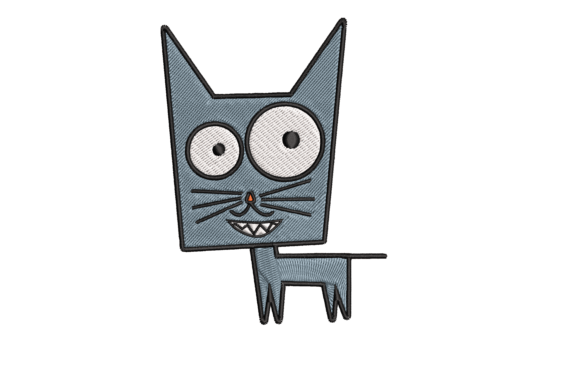
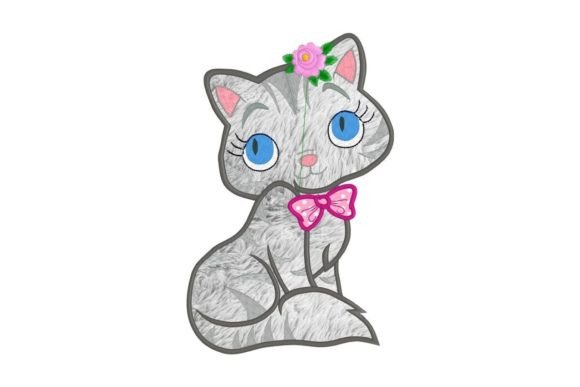
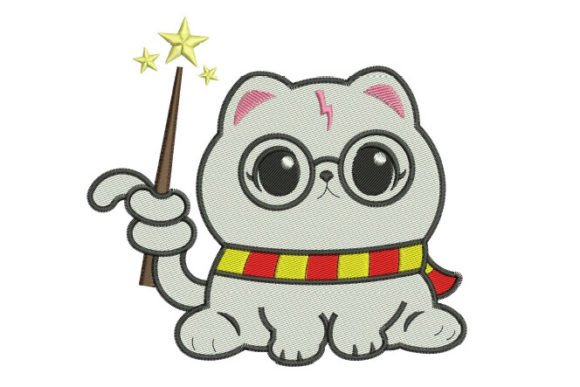
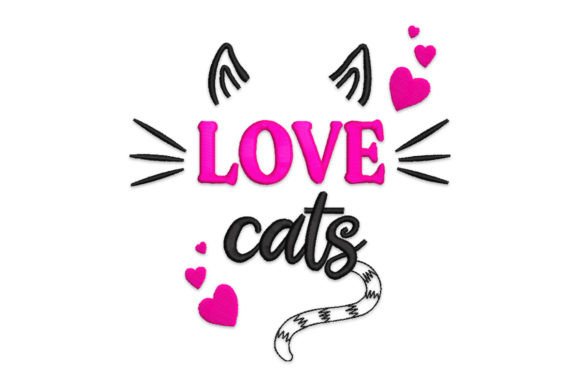
The Cat Lover motif immediately strikes a balance between whimsical and clean. In the world of Cats themed art, designs often lean too heavily into complex shading or overly intricate details that do not translate well to thread. This design, however, feels intentional. It possesses a visual personality that is charming without being cluttered. The layout suggests a modern aesthetic, suitable for contemporary home decor or casual apparel rather than just traditional nursery items.
When evaluating the shape and detail level, I look for "stitchability." Does the design rely on tiny, fragile elements that will pull out after one wash? From what I can see, the lines are robust. The theme resonates with a broad audience, from dedicated cat owners to those who simply appreciate a touch of charm in their handmade product lineup. It creates a mood of warmth and approachability, which is exactly what customers look for when buying a personalized gift.
Real-World Application: The Tote Bag Test
To truly understand how Cat Lover performs, I simulated a real-life scenario: creating a custom tote bag design for a local boutique. Canvas is a forgiving fabric, but it has a distinct fabric texture that can swallow small stitches if the density is too low. I imagined stitching this onto a natural cotton canvas tote. The design’s structure holds up well here. It is large enough to be the focal point but not so dense that it stiffens the bag unnecessarily.
Beyond tote bags, consider sweatshirt embroidery. A fleece or cotton-blend sweatshirt requires a design that sits well on a slightly textured, stretchy surface. Cat Lover appears versatile enough to work here, provided you use the correct stabilizer. If you are an Etsy seller looking to expand your small shop product range, this design could easily transition from kitchen towels to hoodies, giving you multiple revenue streams from a single digital embroidery file.
Versatility Across Product Lines
The true value of a good embroidery file lies in its adaptability. Here is where I see Cat Lover fitting into various embroidery project types:
- Home Decor: Perfect for pillow covers or tea towels. The charm factor adds value to simple linen goods.
- Custom Apparel: Works well on t-shirts and caps. For caps, ensure the design fits the curved surface without distortion.
- Baby Items: Soft baby embroidery on onesies or burp cloths makes for high-margin holiday embroidery gifts.
- Patches: If you create embroidered patch products, this design’s clear outlines would look crisp on a twill background.
Technical Considerations and Stitching Clarity
Let us talk about the technical side. While I cannot verify the exact stitch count or file formats without accessing the specific download, I can advise on what to look for. A design like this likely utilizes a mix of satin stitch for borders and fill stitch for larger areas. Check the stitch density in your software before hitting start. If the density is too high on thin fabric, you will get puckering. If it is too low on thick fabric, the backing will show through.
Thread color choice is critical for Cat Lover. On dark fabrics, you need high-contrast thread colors to maintain visibility. On light fabrics, you can play with subtle tones. I always recommend testing the design in black and white mockups first. This helps you see if the design relies too much on color for definition. If it loses its shape in grayscale, it may not stitch out clearly on monochromatic garments.
Where to Use Caution
Not every surface is ideal. Be careful when stitching Cat Lover on:
- Stretchy Fabric: Without proper cut-away stabilizer, the design may distort after washing.
- Tiny Hoop Sizes: If you scale it down too much, fine details may merge. Always check the minimum recommended hoop size.
- Textured Fabrics: Heavy waffle knits or looped towels can hide small running stitches. Ensure the design elements are bold enough to stand out.
- Curved Surfaces: When applying to caps or curved seams, digitizing for 3D puff might be necessary if the design allows, though standard flat embroidery is safer for beginners.
Impact on Brand and Customer Trust
For commercial embroidery professionals, the quality of your design assets reflects directly on your brand. A clean, well-stitched Cat Lover design builds customer trust. It shows professionalism. When a buyer receives a finished product that looks crisp and durable, they are more likely to leave a positive review and return for future purchases. Conversely, a messy stitch-out can damage your reputation as a maker.
This design enhances visual appeal by adding a recognizable, beloved subject matter to everyday items. It increases the perceived value of a simple towel or shirt, transforming it into a personalized gift with emotional resonance. For creative entrepreneurs, this means higher price points and better engagement on social media platforms where visual aesthetics drive sales.
Practical Designer Notes for Success
Before you commit to a large batch of production, follow these steps to ensure success with Cat Lover:
- Test on Scrap Fabric: Always run a test stitch on the same material you plan to use for the final product. This saves time and materials in the long run.
- Check Licensing: Confirm whether the license allows for commercial use. Most designers allow selling finished physical items, but reselling the digital embroidery file itself is usually prohibited. Read the terms carefully.
- Inspect Small Details: Zoom in on your software. Look for stray stitches or overlapping paths that could cause thread breaks.
- Contrast Check: Compare how the design looks on light versus dark backgrounds. You may need to adjust thread colors for different fabric bases.
- Stabilizer Selection: Match your stabilizer to your fabric. Tear-away for stable woven fabrics, cut-away for knits and stretchy materials.
In conclusion, Cat Lover is a strong contender for any designer’s library. It offers the charm needed for consumer appeal and the structural integrity required for professional execution. Whether you are embellishing a single apron for a friend or stocking your online store with custom apparel, this design provides a solid foundation. Just remember: the magic is in the execution. Take the time to test, adjust, and perfect your setup, and Cat Lover will become a reliable staple in your embroidery workflow.