Spoon and Fork with Hearts: A Designer’s Craft Fair Review
As an embroidery designer who has spent countless hours hunched over a hoop and even more time standing behind a craft fair table, I have learned that not all designs are created equal. Some look beautiful on a screen but vanish in a crowded booth. Others are so complex they take forever to stitch, eating into your profit margins. Today, I am putting the Spoon and Fork with Hearts machine embroidery design under the microscope. This isn't just about aesthetics; it is about viability for the handmade market.
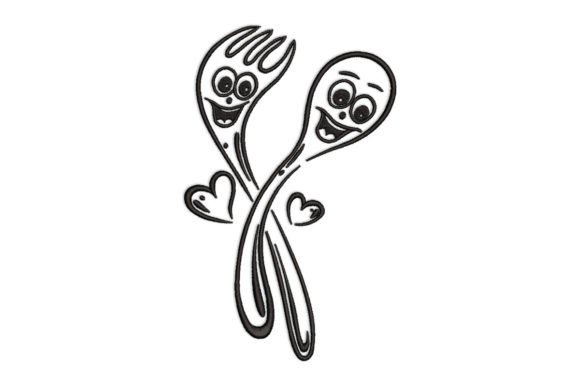
The premise is simple yet effective: funny, cartoon-like spoon and fork characters adorned with hearts. It falls squarely into the Kitchen category, but its appeal stretches far beyond the pantry. For Etsy sellers, boutique makers, and weekend warriors, this design represents a potential staple product. Let us break down why this specific embroidery file might be the secret weapon your next market setup needs.
First Impressions: Whimsy Meets Warmth
When I first loaded the digital embroidery file into my viewer, the immediate vibe was approachable. The "cartoon-like" description holds true. These are not stiff, formal utensils; they are characters. The addition of hearts softens the imagery, moving it away from generic kitchen decor and into the realm of emotional connection. It feels cute, slightly rustic, and undeniably friendly.
In a craft fair setting, customers often scan tables in seconds. They are looking for something that makes them smile or reminds them of home. Spoon and Fork with Hearts achieves this instantly. It does not scream for attention with neon brightness or aggressive complexity. Instead, it invites a closer look. This subtle engagement is crucial for small shop products where you want the customer to pick up the item, feel the fabric, and imagine it in their own home.
Product Versatility: Where Does It Shine?
The product description suggests kitchen towels, tablecloths, aprons, and shirts. As a producer, I would expand this list strategically. Here is how I see this design performing across different mediums:
- Tea Towel Embroidery: This is the most obvious choice. A waffle-weave or flour sack towel provides a perfect canvas. The design acts as a focal point without overwhelming the fabric. It transforms a basic utility item into a giftable handmade product.
- Apron Embroidery: Placing this design on the bib of a bistro-style apron creates an instant bestseller. It appeals to home cooks who take pride in their culinary hobbies. The whimsical nature reduces the seriousness of cooking, making it fun.
- Tote Bag Design: Canvas totes are sturdy and popular. The contrast of thread colors against natural canvas can make the spoon and fork pop. This turns a grocery getter into a statement piece for farmers' market runs.
- Embroidered Patch: If the design scales well, creating iron-on or sew-on patches allows customers to customize their own denim jackets or lunch bags. This lowers your production time per unit since you can batch-stitch patches on a large hoop and sell them individually.
- Pillow Covers: A small accent pillow with this motif works beautifully in a farmhouse or cottage-core interior. It adds a touch of personality to a living space without being too loud.
Production Practicality and Batch Selling
For those of us running a business, time is money. The key question is: how does Spoon and Fork with Hearts handle in production? Cartoon-style designs often feature bold lines and solid fills, which can mean higher stitch density. Before committing to a large run, you must check the stitch count. If the density is too high, it may cause puckering on lighter fabrics like tea towels.
However, the simplicity of the shapes suggests it should be relatively quick to stitch compared to photorealistic designs. This speed is vital for craft fair prep. You need to produce inventory efficiently. The design’s clarity at a glance is another selling point. Customers do not need to squint to understand what they are looking at. This immediate recognition factor drives impulse buys, which are the lifeblood of weekend markets.
Photography is another critical element. This design photographs well because the shapes are distinct. Whether you are creating a printable mockup for your Etsy listing or taking photos for Instagram, the clear outlines of the spoon and fork will remain visible even in thumbnail sizes. This visual consistency helps build brand recognition across your digital storefronts.
Careful-Use Notes: Avoiding Common Pitfalls
While the design is charming, there are technical considerations to ensure your finished product looks professional. Here are my top warnings for fellow embroiderers:
- Fabric Texture: Textured towels can sometimes swallow small details. Ensure the hearts and facial features (if present) are large enough to remain clear on terry cloth or waffle weave. If the details are tiny, consider using a contrasting thread color to help them stand out.
- Stabilizer Selection: Because kitchen items are washed frequently, stability is key. Use a high-quality cut-away stabilizer for garments like shirts and aprons to prevent distortion after washing. For towels, a tear-away might suffice if the stitch density is low, but test this thoroughly.
- Thread Colors: Do not rely solely on default thread charts. Test your thread colors against your fabric. Silver or grey threads for the utensils might blend too much on light fabrics. Consider using a darker grey or even a playful color like blue or red to make the characters pop.
- Curved Surfaces: If you plan to put this on caps, remember that curved surfaces distort designs. Keep the placement central and avoid placing it too close to the seam where the hoop might struggle.
- Scaling: Check the minimum size. If you shrink it too much for a small pocket, the hearts might merge with the utensils. Always stitch a test sample at your intended size before producing inventory.
Enhancing Visual Appeal and Brand Consistency
Using Spoon and Fork with Hearts consistently across your product line can strengthen your brand. Imagine a booth display where the aprons, towels, and tote bags all feature this same whimsical motif. It creates a cohesive collection that looks curated and professional. This visual harmony encourages customers to buy multiple items as a set, increasing your average order value.
Furthermore, the emotional appeal of the hearts adds value. It signals care and warmth, traits that buyers seek in handmade goods. It differentiates your commercial embroidery products from mass-produced imports. When a customer sees this design, they see the human touch—the slight variation in thread tension, the choice of fabric, the care in presentation. These are the elements that justify a higher price point.
Final Designer Recommendations
Before you launch this design into your shop, follow these practical steps. First, always test the design on scrap fabric that matches your final product. Check for puckering, thread breaks, and color accuracy. Second, confirm the license terms of your digital embroidery file. Ensure you have commercial rights to sell the finished product. Most designers allow this, but it is essential to verify.
Create at least one real mockup. Place the embroidered item in a realistic kitchen setting. Does it look inviting? Does it fit the lifestyle of your target customer? Finally, consider your hoop size. Ensure the design fits comfortably within your standard hoops to maximize efficiency.
In conclusion, Spoon and Fork with Hearts is a strong contender for any embroidery business focused on the home and kitchen niche. It balances charm with practicality, offering a versatile asset for tote bags, aprons, and textiles. By paying attention to stitch density, fabric choice, and presentation, you can turn this simple design into a consistent revenue stream for your craft fair booth and online store. It is a reminder that sometimes, the simplest ideas, executed with quality and care, are the ones that sell best.