Chill Embroidery Design: A Designer’s Review for Craft Fairs
As an embroidery designer who has spent countless weekends setting up booths at local craft fairs and managing online shops, I know that not every design translates into a bestseller. Some designs look fantastic on a screen but fail to capture attention in person. Today, I am reviewing Chill, a machine embroidery design categorized under Friends Quotes, to determine its potential as a high-converting craft fair product. My goal is to evaluate whether this digital embroidery file can help handmade shop owners and Etsy sellers create items that stand out in a crowded market.
First Impressions: The Vibe of Chill
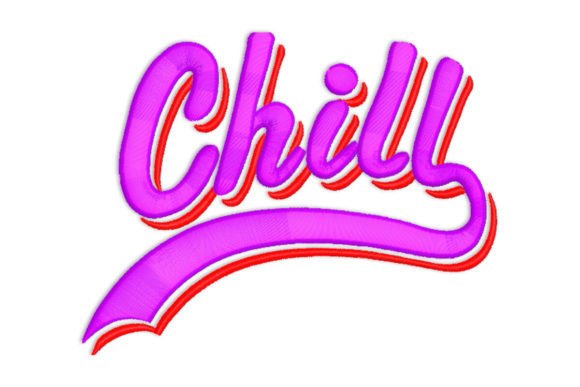
The first thing I look for in a new design asset is its immediate emotional impact. Based on the title and description, Chill promises a "touch of charm" and a cool aesthetic. In the current market, minimalism and relaxed typography are trending heavily. This design appears to lean into that modern, laid-back vibe. It does not scream for attention with excessive flourishes; instead, it offers a subtle, confident presence. For a craft fair seller, this is crucial. Customers walking past a booth are often overwhelmed by visual noise. A design that feels calm, cute, and slightly humorous allows the buyer to pause and connect with the message.
When I imagine placing Chill on a display table, it fits seamlessly into the "modern farmhouse" or "minimalist chic" aesthetic. It is not overly rustic, nor is it strictly elegant. It sits comfortably in the middle ground, making it versatile enough for a wide demographic. Whether you are targeting college students, young professionals, or home decor enthusiasts, the universal appeal of the word "Chill" combined with a friendly quote style makes it a safe yet stylish bet for a small shop product.
Product Versatility and Market Fit
The true test of any embroidery file is its adaptability. Can it work on multiple substrates? For Chill, the answer is a resounding yes. Here is how I envision this design performing across various handmade products:
- Tote Bag Design: This is arguably the strongest application. A canvas tote with Chill embroidered in the center becomes an instant lifestyle accessory. It photographs beautifully for Etsy listings and serves as a walking advertisement for your brand at the fair.
- Tea Towel Embroidery: Kitchen textiles are staple craft fair items. Stitching this design on the corner of a linen or cotton tea towel adds value without overwhelming the fabric. It turns a basic household item into a giftable handmade product.
- Apron Embroidery: For the home chef or the coffee lover, an apron featuring this Friends Quotes style design adds personality. It works well on bib aprons where the design can sit prominently on the chest pocket area.
- Embroidered Patch: If you want to maximize profit margins, consider stitching Chill on twill or felt to create iron-on patches. These are excellent impulse buys and allow customers to customize their own jackets or bags later.
- Pillow Covers and Home Decor: The description mentions pillows, and rightly so. A neutral pillow cover with this text adds a contemporary touch to living spaces. It appeals to buyers looking for affordable home updates.
For boutique makers, the ability to use one digital embroidery file across such a diverse range of items reduces the learning curve. You do not need to master five different techniques; you simply need to master hooping and stabilizing for different fabrics.
Production Practicality for Batch Selling
When preparing for a weekend craft fair, time is money. I evaluate Chill based on its production efficiency. A design that is too complex or has excessive stitch density can slow down your workflow. While specific technical details like exact stitch count are not provided in the brief, the nature of "charm" and "cool" typography usually implies a balanced stitch pattern.
However, you must be mindful of stitch density. If the design features thick, satin-stitched lettering, it may pull on lighter fabrics like voile or thin cotton. Conversely, if it uses a fill stitch, ensure it is not so dense that it creates a cardboard-like feel on soft towels. For batch production, consistency is key. You want a design that looks identical on the tenth item as it did on the first. Chill seems designed for repeatability, which is essential for commercial embroidery operations.
Photography is another critical factor. Does the design pop in photos? Text-based designs generally photograph well because they offer high contrast against solid backgrounds. This makes creating a printable mockup for your online store straightforward. You can easily visualize how thread colors will interact with fabric colors, helping you plan your inventory mix before you even thread the needle.
Careful-Use Notes and Technical Considerations
Even the best designs have limitations. As an experienced designer, I advise caution in the following areas when using Chill:
- Fabric Texture: Textured towels, such as waffle weave or heavy terry cloth, can obscure small details. If Chill has fine lines or small lettering, these may get lost in the pile. Always test on scrap fabric first.
- Curved Surfaces: Stitching on caps requires skill. The curved surface of a baseball cap can distort text. Ensure you use the correct hoop size and stabilizer to prevent puckering. If the design is wide, it might wrap awkwardly around the curve.
- Dark Fabric: If you plan to stitch on black or navy, ensure your thread colors have enough contrast. Light pastels or bright whites work best. Avoid low-contrast combinations that make the design hard to read from a distance.
- Size Scalability: Do not shrink the design below its recommended minimum size. Tiny details may merge, causing thread breaks or a messy finish. Check the design assets for minimum dimension guidelines.
Enhancing Visual Appeal and Brand Consistency
Incorporating Chill into your product line can significantly boost your booth display strength. A cohesive collection of items featuring the same design creates a professional look. When customers see the same motif on a tote, a towel, and a patch, it reinforces brand recognition. It signals that you are a serious creative entrepreneur with a curated vision.
Furthermore, this design aids in buyer engagement. People love to read. A quote invites interaction. A customer might stop to read the text, smile, and then pick up the item to feel the quality. That physical interaction is the first step toward a sale. By choosing a design that resonates emotionally, you are not just selling thread on fabric; you are selling a feeling of relaxation and charm.
Final Designer Recommendations
Before you launch Chill as a centerpiece of your next craft fair lineup, take these practical steps. First, confirm the commercial licensing terms. Ensure that your purchase of the digital embroidery file grants you the right to sell finished products. Second, create at least one real mockup. Stitch it on your intended fabric, wash it, and dry it to check for durability. Third, review your thread colors. Have a palette ready that complements the mood of the design—think soft blues, sage greens, or classic neutrals.
Check the hoop size requirements to ensure it fits your machine’s capabilities. If you are using a smaller hoop, you may need to split the design or choose a different placement. Finally, inspect the stitch density settings in your software if you have the option to edit. Adjusting pull compensation can make a huge difference in the final look, especially on stretchy fabrics.
In conclusion, Chill is a promising addition to any embroidery business owner’s library. It balances aesthetic appeal with practical versatility. For Etsy sellers and handmade market vendors, it offers a low-risk, high-reward opportunity to expand their inventory with items that feel both modern and timeless. By paying attention to fabric choice and production details, you can turn this simple design into a standout star of your booth.