Panther Embroidery Design Review for Brand Merch
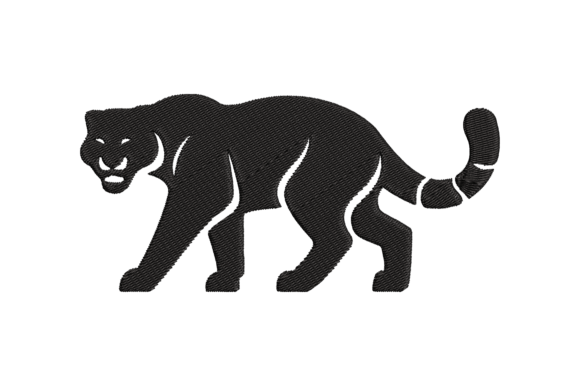
As an embroidery designer who has spent years digitizing and testing files for small business clients, I approach every new machine embroidery design with a critical eye. It is not just about whether the image looks pretty on a screen; it is about how that design performs when stitched onto real fabric, washed repeatedly, and worn by customers or staff. Recently, I reviewed the Panther design, categorized under Wild Animals, to determine its viability for commercial use. This review focuses on how this piece functions as a tool for brand building rather than just decoration.
First Impressions: Elegance Meets Boldness
The product description states that this embroidery is an art form that can elevate any fabric, adding a touch of elegance and charm. From a designer’s perspective, this claim holds weight if the digitization supports it. The Panther design appears to balance the fierce nature of the animal with a refined aesthetic. For small business owners, this duality is crucial. You do not always want a logo that screams aggression; often, you want one that commands respect while maintaining sophistication. This design seems to offer a unique and eye-catching look that can serve as a premium accent on various textiles. It feels less like a cartoon mascot and more like a sophisticated emblem, which is ideal for boutiques, creative studios, or high-end pet brands looking to establish a strong visual identity.
Real-World Applications for Small Business Merch
When evaluating a digital embroidery file for business use, I always ask: where does this live? The versatility of the Panther design makes it suitable for several key merchandise categories. Here is how I envision it performing in a real-world scenario:
- Embroidered Patches: This is perhaps the strongest use case. A well-digitized panther can be turned into a high-quality patch for jackets, bags, or hats. Patches allow businesses to add branded elements to existing inventory without committing to full garment embroidery.
- Staff Uniforms and Aprons: For cafés, bakeries, or florists, an apron embroidery featuring this design can elevate the perceived value of the service. It moves the uniform from generic workwear to a curated part of the brand experience.
- Cap Embroidery: Placing the Panther on the front or side of a cap requires careful scaling. If the design maintains its integrity at smaller sizes, it becomes a powerful tool for street-style merch and customer loyalty programs.
- Tote Bag Design: Canvas totes are staples for handmade shops and Etsy sellers. A bold animal motif centered on a tote bag creates an instant statement piece that customers are proud to carry, effectively turning them into walking billboards.
For those running a handmade product line, integrating this design into limited edition runs can create urgency and exclusivity. It transforms a simple item into a collectible asset.
Navigating Technical Challenges and Fabric Constraints
While the aesthetic appeal is strong, practical application requires caution. Not every fabric or garment is suitable for every design. When working with the Panther embroidery, consider the following technical constraints:
Stitch Density and Fabric Texture: Animal designs often rely on shading and detail. If the stitch density is too high, it can cause puckering on lightweight fabrics like thin cotton t-shirts or silk blends. Always test the design on a scrap piece of your actual production fabric. If you are stitching on textured fabric, such as terrycloth towels or rough canvas, ensure the design has enough contrast to remain visible. Detailed outlines may get lost in the nap of the fabric.
Small Patch Sizes and Curved Surfaces: If you plan to use this as a small chest logo or on a curved cap front, verify that the fine details do not merge together. Small lettering or intricate whiskers can become a blob of thread if scaled down too far. I recommend creating a printable mockup at the actual intended size to check legibility before hooping.
Dark Uniforms and Thread Colors: The description mentions elegance, which often implies subtle shading. On dark uniforms, you must ensure there is sufficient underlay and contrast. Using lighter thread colors for highlights can help the design pop, but be mindful of colorfastness if the items will undergo frequent industrial washing.
Impact on Brand Identity and Customer Trust
In the world of custom apparel and branded goods, consistency is key. The Panther design contributes to brand identity by offering a recognizable symbol that conveys strength and grace. When customers see a consistent, high-quality embroidered logo on your packaging, aprons, or merchandise, it builds trust. It signals that you care about the details. A sloppy embroidery job can detract from perceived quality, but a clean, professional finish enhances the value of the finished product. For Etsy sellers and craft businesses, this level of professionalism differentiates you from drop-shippers who rely on low-quality prints. Embroidery adds tactile value that customers appreciate, fostering deeper engagement and loyalty.
Practical Designer Notes for Production
Before you purchase the file and start mass production, follow these steps to ensure success. These are the checks I perform for every client project:
- Test in Black and White First: Remove color variables to check the structural integrity of the design. If it looks good in monochrome, it will likely look good in color.
- Check Hoop Size Compatibility: Confirm that the design fits within your standard hoop size. If it requires a large hoop, calculate if that increases your production time or limits the garments you can use.
- Select the Right Stabilizer: The choice of stabilizer is critical for animal designs with varying densities. Use a cut-away stabilizer for stretchy fabrics like jersey knits to prevent distortion over time. For woven fabrics like twill caps, a tear-away might suffice, but test first.
- Review Thread Color Contrast: Choose thread colors that align with your brand palette but also provide enough contrast against the garment color. Do not assume the default colorway in the preview is the only option.
- Confirm Commercial Licensing: This is vital. Ensure that the license included with the digital embroidery file permits commercial use for physical goods. Some designers restrict the number of units you can sell.
- Create a Mockup for Client Approval: If you are producing this for a client, show them a realistic mockup on the specific garment type. This manages expectations and reduces revisions.
Since the product description does not specify exact stitch counts, file formats, or recommended hoop sizes, you must request these details from the provider or test a sample file if available. Never assume a file is optimized for your specific machine without verification.
Final Verdict for Merch Creators
The Panther embroidery design offers a compelling option for businesses looking to add a touch of wild elegance to their merchandise. It bridges the gap between bold animal imagery and refined design, making it suitable for a wide range of applications from apron embroidery to premium patches. However, its success depends entirely on proper execution. By paying attention to stitch density, fabric choice, and stabilizer selection, you can leverage this design to create high-value custom apparel and accessories. For small business owners, investing in quality design assets like this is an investment in your brand’s long-term recognition and professionalism. Treat each stitch as a reflection of your brand’s promise, and the Panther will serve as a powerful ambassador for your business.