Hubby Embroidery Design Review for Small Business Merch
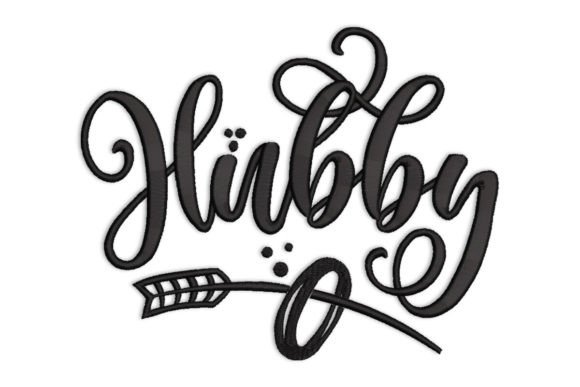
As an embroidery designer who has spent years digitizing and testing files for commercial use, I approach every new machine embroidery design with a critical eye. It is not just about whether a pattern looks cute on a screen; it is about how it performs in the real world of small business merchandising. Today, I am reviewing Hubby, a design positioned within the Husband category, to determine its viability for branded patches, custom apparel, and boutique product lines.
The product description invites us to embellish fabrics with a touch of whimsy and charm, suggesting applications on towels, pillows, and home decor. While these are valid uses, my focus here is strictly on commercial application. Can Hubby serve as a reliable asset for Etsy sellers, local cafes, florists, and creative studios looking to elevate their brand identity through high-quality embroidery? Let us dive into the details.
First Impressions: Visual Personality and Brand Fit
Upon initial inspection, Hubby projects a friendly and approachable aesthetic. The title itself suggests intimacy and connection, which makes it particularly suitable for brands that want to convey warmth, reliability, or a sense of family. For a handmade product line, this emotional resonance is invaluable. However, "whimsy" can sometimes translate to overly complex detailing that does not hold up under industrial production. Therefore, the key question is whether the design maintains its integrity when scaled down for professional use.
For businesses in the wedding industry, boutique bakeries, or personalized gift shops, the visual personality of Hubby aligns well with a rustic or classic brand identity. It feels less like a corporate logo and more like a signature mark. This distinction is crucial. If your brand relies on sleek, modern minimalism, this design might feel too decorative. But for artisans and crafters, that decorative element adds perceived value to the finished product.
Real-World Applications for Small Business Merch
The versatility of a digital embroidery file is determined by how many different substrates it can conquer. Here is how I envision Hubby performing in various commercial scenarios:
- Embroidered Patches: This is perhaps the strongest use case. A well-digitized patch can be applied to denim jackets, canvas totes, or even laptop sleeves. If Hubby has clean outlines, it can serve as a collectible item for customers, turning a simple purchase into a brand loyalty token.
- Apron Embroidery: For cafes and florists, staff uniforms are walking billboards. Stitching Hubby on the chest pocket of a canvas apron adds a personal touch that customers notice. It softens the professional look without sacrificing authority.
- Cap Embroidery: Front-panel caps are prime real estate for branding. However, curved surfaces require careful digitizing. If the design is too wide, it will distort. Testing Hubby on a structured cap is essential to ensure the text or imagery remains legible.
- Tote Bag Design: Canvas bags are staples for eco-friendly brands. A centered Hubby motif can transform a generic bag into a desirable accessory. The contrast between the thread colors and the natural fabric texture will define the final impact.
When creating custom apparel for events or corporate gifts, this design could work beautifully on sleeve cuffs or near the hemline as a subtle accent. It allows businesses to offer premium add-ons that differentiate them from competitors using standard print-on-demand services.
Technical Considerations and Production Risks
While the aesthetic appeal is strong, we must address the technical realities of machine embroidery. The product description notes that the file comes with specific attributes, but it cuts off before listing formats or exact specifications. This is a common occurrence with online listings. As a professional, I must advise you to verify the hoop size compatibility and available file formats (such as PES, DST, or JEF) before purchasing. Without the correct format for your machine, the design is useless.
Furthermore, consider the stitch density. Designs described as "lovely" or "charming" often utilize satin stitches or intricate fill patterns. If the density is too high for lightweight fabrics like t-shirts, the material may pucker or tear. Conversely, if the density is too low on heavy denim, the backing fabric might show through. Always test Hubby on a scrap piece of your intended production fabric.
Another critical factor is the use of stabilizer. For items that require frequent washing, such as towels or kitchen aprons, a cut-away stabilizer is usually recommended to prevent distortion over time. If you are stitching on stretchy materials for athletic wear or fitted caps, a tear-away might not provide enough support. Evaluate the design’s underlay stitches to ensure they anchor the top threads effectively.
Navigating Small Sizes and Dark Fabrics
One of the biggest challenges with detailed designs is scaling them down. If you plan to use Hubby as a small chest logo on a polo shirt, check if the fine details merge together. Tiny lettering or thin outlines can disappear or become a blob of thread if the design is reduced below a certain threshold. I recommend creating a printable mockup at actual size to visualize the clarity before committing to production.
Additionally, consider thread color contrast. On dark uniforms, light threads pop, but they also show dirt and wear more easily. If Hubby relies on subtle shading, it may get lost on black or navy fabrics. In such cases, you might need to adjust the thread palette or add a backing patch to ensure visibility and professionalism.
Enhancing Brand Identity and Customer Trust
Why go through the trouble of embroidery instead of printing? The answer lies in perceived value. Embroidery signals quality, durability, and attention to detail. When a customer receives a tote bag or a hat with a neatly stitched Hubby design, they subconsciously associate that tactile quality with your brand’s reliability. This enhances brand identity and fosters trust.
For Etsy sellers and handmade brands, consistency is key. Using Hubby across various design assets—from packaging tags to thank-you cards with embroidered accents—creates a cohesive visual language. It helps customers recognize your products instantly. Moreover, limited-edition embroidered merchandise can drive urgency and engagement, encouraging buyers to act quickly before stock runs out.
Practical Designer Notes for Commercial Use
Before you integrate Hubby into your production workflow, follow these steps to ensure success:
- Test in Black and White: Remove color from your simulation software to check for contrast and definition. If the design loses its shape without color, it needs digitizing adjustments.
- Verify Commercial Licensing: The description mentions it is a machine embroidery design, but always confirm the license terms. Ensure you have the right to use it for physical goods sold for profit. Some designers restrict the number of units you can produce.
- Check Spacing and Jump Stitches: Inspect the file for excessive jump stitches, which increase production time and thread waste. A clean file should have minimal trimming requirements.
- Create Client Mockups: If you are offering this as a service to other businesses, create high-quality images of Hubby on various items. Show it on a cap, a towel, and a patch. This helps clients visualize the end result and increases conversion rates.
- Compare with Existing Assets: Place Hubby next to your current logo or design elements. Does it complement them, or does it clash? Visual harmony is essential for a professional presentation.
In conclusion, Hubby offers significant potential for small businesses looking to add a personal, high-quality touch to their merchandise. Whether used for commercial embroidery on uniforms or as a charming detail on handmade gifts, its success depends on proper technical execution. By respecting the limitations of fabric texture, hoop size, and stitch density, you can transform this digital file into a powerful tool for brand growth. Always prioritize testing and licensing verification to protect your business and deliver the best possible product to your customers.