Hook, Line and Stinker: A Designer’s Review
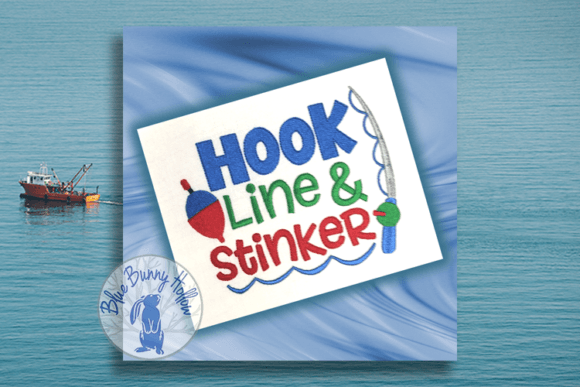
As an embroidery designer who has spent countless weekends behind a craft fair table, I have learned that the difference between a browsing customer and a buying customer often comes down to immediate visual impact. When I first loaded the Hook, Line and Stinker design into my software, I was looking for more than just cute aesthetics; I was looking for a reliable craft fair product that could anchor a seasonal display. This machine embroidery design promises a delightful chuckle, featuring a fishing rod and a fun little bobber. It is positioned as a perfect choice for kids who enjoy a good laugh, but from a business perspective, its appeal extends far beyond children’s apparel.
First Impressions and Market Fit
The immediate vibe of Hook, Line and Stinker is playful, rustic, and undeniably charming. In the world of Fish themed Embroidery, designs can often lean too serious or overly complex. This design strikes a balance. It feels approachable and humorous, which is a massive selling point for impulse buys at handmade markets. The imagery of the fishing rod and bobber suggests outdoor leisure, making it ideal for customers who appreciate a laid-back, countryside aesthetic. It does not scream "high fashion," but it loudly whispers "comfort and joy," which is exactly what many shoppers are seeking in a handmade product.
For an Etsy seller or boutique maker, this design offers versatility. It is not limited to one demographic. While the description highlights kids, the humor appeals to adults who love fishing, grandparents buying gifts, and anyone who appreciates punny wordplay. This broadens your potential customer base significantly, allowing you to market the same digital embroidery file across multiple product lines without needing to create new assets.
Product Application and Visual Appeal
When evaluating where Hook, Line and Stinker performs best, I mentally walk through my typical booth setup. Here is how this design translates to various items:
- Tote Bags: This is arguably the strongest application. A canvas tote bag design featuring this graphic becomes an instant statement piece. The horizontal nature of a fishing rod often complements the width of a tote, creating a balanced composition that catches the eye from a distance.
- Aprons and Tea Towels: For kitchenware, this design adds a touch of whimsy. Apron embroidery with a humorous theme sells well during holiday seasons, particularly for Father’s Day or Christmas. Similarly, tea towel embroidery benefits from the clean lines of the fishing rod, provided the stitch count is not so dense that it makes the towel stiff.
- Caps and Hats: Placing this on a curved surface requires caution. If the design includes text, ensure it is not too wide for a standard cap front. However, if the focus is on the bobber and rod, it can work beautifully as a centered focal point on a dad hat or trucker cap.
- Embroidered Patches: Creating an embroidered patch allows you to sell the design as a standalone accessory. Customers can then iron it onto jackets or backpacks themselves. This is a low-risk, high-margin small shop product that requires minimal inventory space.
The visual appeal of Hook, Line and Stinker lies in its clarity. At a busy craft fair, customers scan tables quickly. A design that is instantly recognizable as a fishing theme with a humorous twist stops the scroll, whether physical or digital. It enhances brand consistency if your shop focuses on outdoor, rustic, or humorous themes, strengthening buyer engagement through relatable content.
Production Practicality and Stitch Quality
From a production standpoint, the viability of any commercial embroidery project depends on execution. While the concept is strong, you must consider the technical details before hooping your first garment. Since specific technical data like exact stitch count or recommended hoop size is not explicitly detailed in the brief description, it is crucial to check these details in the actual file metadata before production.
Here are critical production notes to consider:
- Stitch Density: Examine the stitch density of the bobber and the handle of the rod. If the density is too high, it may cause puckering on lighter fabrics like t-shirts or thin tote bags. Always use the appropriate stabilizer to support the design. For textured items like waffle-weave towels, a cut-away stabilizer might be necessary to prevent the stitches from sinking into the fabric texture.
- Thread Colors: The success of this design relies heavily on thread colors. High contrast is key. Ensure the fishing line is visible against the background fabric. If you are stitching on dark fabric, you may need to adjust the color palette or use a lighter backing to make the design pop. Test different combinations to see which offers the best readability.
- Small Details: Check the clarity of the smaller elements, such as the hook or the text if included. Tiny details can get lost if the design is scaled down too much. If you plan to use this on small items like pouches, verify that the design remains legible at a reduced size.
Marketing and Sales Strategy
To maximize sales, treat Hook, Line and Stinker as a versatile asset in your marketing toolkit. Create a printable mockup that shows the design on various products. This helps online customers visualize the finished product and increases conversion rates. For your physical booth, display the design on at least three different types of items—for example, a tote, a cap, and a pillow cover. This demonstrates versatility and encourages customers to imagine the design on other items they might own.
Photography is equally important. Ensure your photos capture the texture of the embroidery. Close-up shots that highlight the stitch quality can justify a higher price point by emphasizing the handmade quality. Use natural lighting to show the true thread colors and avoid shadows that obscure the details of the fishing rod and bobber.
Designer’s Checklist for Success
Before you commit to a large batch of products, follow this practical checklist:
- Test on Scrap Fabric: Always run a test stitch-out on the same type of fabric you intend to sell. This reveals any tension issues or registration errors.
- Check Licensing: Confirm the commercial licensing terms of the design assets. Ensure you are compliant with the creator's rules regarding mass production or digital resale.
- Review Spacing: If the design includes text, ensure there is adequate spacing between letters to prevent thread bridging, especially on textured fabrics.
- Create Real Mockups: Photograph the actual stitched item rather than relying solely on digital renderings. Authenticity builds trust with buyers.
- Compare Fabric Colors: Stitch the design on white, navy, and heather gray fabrics to see which combination offers the best visual impact.
In conclusion, Hook, Line and Stinker is a promising addition to any embroidery portfolio focused on humor and outdoor themes. Its strength lies in its immediate recognizability and broad appeal. By paying attention to technical details like stabilizer choice and thread contrast, and by strategically placing it on high-visibility items like tote bags and aprons, you can turn this playful design into a consistent seller for your handmade business. Remember, the goal is not just to stitch a design, but to create a product that brings a smile to the customer’s face and value to your brand.