Reviewing The Face of an African Girl Embroidery Design
As an embroidery designer who has spent years digitizing patterns and testing them on everything from delicate silk to heavy denim, I approach every new machine embroidery design with a critical eye. It is not enough for a pattern to look good on a screen; it must hold up under the needle, translate well to fabric, and resonate emotionally with the end user. Recently, I had the opportunity to test The Face of an African Girl, a portrait-based design intended for personalized gift products. This review explores how this piece performs in a real-world production environment, specifically for small business owners, Etsy sellers, and crafters looking to elevate their handmade offerings.
First Impressions: Mood and Emotional Appeal
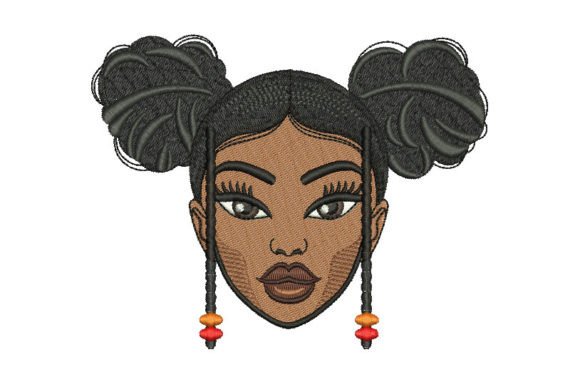
The first thing that strikes you about The Face of an African Girl is its inherent warmth. In the category of Beauty and portraiture, it is easy for designs to feel stiff or overly digital. However, this design manages to capture a sense of gentle charm and elegance. It feels less like a rigid graphic and more like a sweet, handmade tribute. The emotional appeal is immediate; it evokes feelings of nostalgia, love, and cultural pride. For a crafter, this is vital because the mood of the design dictates the type of product it will sell best. This particular piece leans toward the classic and romantic, making it suitable for heirloom-quality items rather than trendy, disposable goods.
When I loaded the embroidery file into my software, I looked closely at the detail level. Portraits are notoriously difficult in machine embroidery due to the limitations of thread compared to ink. This design appears to balance shading and line work effectively, suggesting that the digitizer understood how to use thread colors to create depth without relying on excessively high stitch density that could puckering the fabric.
Practical Applications for Personalized Gifts
For those running a small shop or selling on Etsy, versatility is key. A single design needs to work across multiple product lines to maximize return on investment. Here is how I envision The Face of an African Girl performing in various applications:
- Baby Embroidery: This design would be stunning on a muslin swaddle or a cotton baby blanket. The softness of the subject matter pairs perfectly with nursery decor. However, one must be cautious with blanket embroidery on plush materials; ensuring the design does not get lost in the pile is crucial.
- Kitchen and Home Textiles: Imagine this portrait embroidered on a high-quality linen apron or a set of embroidered towels. It transforms a standard household item into a meaningful personalized gift. The contrast of the portrait against a neutral towel color can create a striking visual impact.
- Wedding and Family Keepsakes: While not a traditional wedding motif, this design fits beautifully into the realm of family heritage gifts. It could be used on pillow covers for a new home or as part of a larger collage on a commemorative quilt.
- Tote Bags and Apparel: For a modern twist, placing this design on a canvas tote bag creates a stylish, artistic accessory. It appeals to customers who value unique, handmade product aesthetics over mass-produced prints.
Navigating Technical Challenges
While the aesthetic is strong, any experienced embroiderer knows that technical execution is where projects succeed or fail. When working with a detailed portrait like The Face of an African Girl, there are specific areas where caution is required.
First, consider the fabric texture. Smooth, tightly woven fabrics like cotton poplin or polished cotton are ideal for capturing the fine details of the face. Textured fabrics, such as terry cloth towels or rough linen, can obscure smaller stitch elements. If you plan to use this on a thick towel, you may need to adjust the pull compensation or choose a simpler version of the file if available.
Second, be mindful of curved surfaces. Embroidering a detailed portrait on a rounded object, like a baby hat or a curved mug sleeve, can distort the facial features. Always hoop your stabilizer properly and consider using a cut-away stabilizer for garments that will undergo frequent washing and stretching. For stretchy baby clothes, a combination of cut-away and tear-away might be necessary to maintain shape without compromising comfort.
Dark fabrics present another challenge. Since this is a portrait, light threads may be used for highlights. On dark fabric, these light threads can appear translucent if the underlying fabric shows through. Always run a test stitch on a scrap piece of your actual production fabric to check for coverage and color contrast before committing to a final finished product.
Enhancing Perceived Value and Customer Trust
From a business perspective, the choice of design directly impacts perceived value. A generic clipart-style embroidery often signals low effort, whereas a nuanced portrait like The Face of an African Girl signals craftsmanship. This enhances customer trust and justifies a higher price point for your custom embroidery services.
When photographing your products for an Etsy listing or a printable mockup, this design offers excellent engagement potential. The human face naturally draws the viewer’s eye, increasing the time a potential buyer spends looking at your listing. This emotional connection can significantly boost conversion rates. Customers are not just buying an embroidered item; they are buying a piece of art that reflects identity and beauty.
Essential Pre-Production Checklist
Before you list this design in your shop or fulfill a customer order, follow these practical steps to ensure quality:
- Check File Specifications: The product description notes that this embroidery comes in several popular formats. Verify that you have the correct digital embroidery file for your specific machine brand (e.g., PES, DST, JEF).
- Confirm Hoop Size: Ensure the design fits within your available hoop size. If the design is large, you may need a multi-position hoop or a larger frame. Do not assume the size; measure the dimensions in your software.
- Review Stitch Density: High-density portraits can be stiff. Check the stitch count and density settings. If the design feels too dense for a baby item, consider using a lighter weight fabric or adjusting the tension.
- Test on Scrap Fabric: Never skip the test stitch. Run the design on the same type of fabric and stabilizer you intend to use for the final product. Check for thread breaks, nesting, or distortion.
- Verify Licensing: As a small shop product creator, you must confirm commercial licensing. Ensure that the purchase of this machine embroidery design grants you the right to sell finished physical items. Do not resell the digital file itself unless explicitly permitted.
In conclusion, The Face of an African Girl is a compelling addition to any embroidery designer’s library. It bridges the gap between artistic expression and commercial viability. By paying attention to fabric choice, stabilizer selection, and technical setup, you can create breathtaking personalized gifts that resonate with customers. Whether for a baby shower, a wedding, or a custom home decor item, this design offers the emotional depth and visual appeal necessary to stand out in the crowded marketplace of handmade goods.