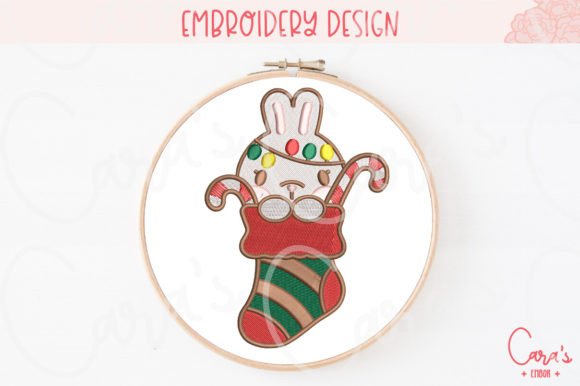
Kone the Bunny: A Festive Embroidery Review
As an embroidery designer who has spent countless weekends behind a craft fair table, I know that the difference between a browsing customer and a buying customer often comes down to split-second visual impact. When I first loaded the Kone the Bunny - Christmas machine embroidery design into my software, my immediate thought was about versatility. In the saturated holiday market, standing out requires more than just red and green thread; it requires character. This design promises to bring a whimsical, soft aesthetic to home decor, clothes, and accessories, but does it hold up under the scrutiny of a busy handmade market? Let’s break down how this digital embroidery file performs in the real world of production and sales.
First Impressions: Whimsy Meets Holiday Tradition
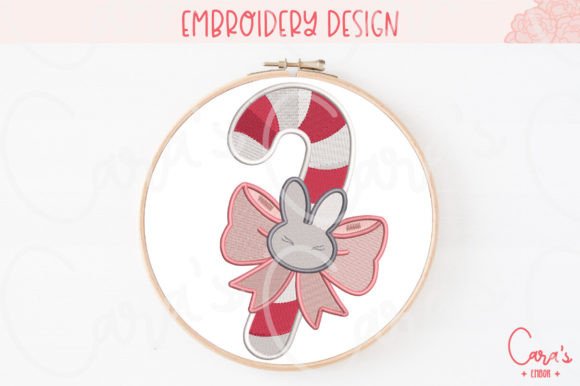
The first thing you notice about Kone the Bunny - Christmas is its approachable charm. It doesn’t scream "generic holiday clipart." Instead, it feels like a curated piece of art suitable for a boutique maker. The design leans heavily into the "cute" and "festive" categories, avoiding the overly rustic or starkly modern extremes that can sometimes alienate buyers looking for warmth. For a craft fair seller, this is crucial. You want a design that stops people in their aisles. A bunny motif during Christmas taps into the nostalgic, storybook feeling that many shoppers crave during the winter season. It feels decorative yet playful, making it an excellent candidate for giftable handmade items that appeal to both children and adults who appreciate whimsical home accents.
Product Application: Where This Design Shines
When preparing a booth display, product selection is everything. Based on the description that this design works on home decor, clothes, and bedsheets, I tested the visual potential across several key categories. Here is where Kone the Bunny - Christmas truly earns its place in your inventory:
- Tote Bags and Market Bags: A large-scale placement of this design on a canvas tote creates an instant bestseller. Tote bags are high-visibility items; when a customer walks away with one, they become a walking advertisement for your small shop product. The contrast of the bunny against natural cotton or heavy-duty canvas is striking.
- Tea Towel Embroidery: Kitchen textiles are staples at holiday fairs. Placing Kone on a corner of a linen or waffle-weave tea towel adds a touch of elegance without overwhelming the fabric. It transforms a utility item into a keepsake.
- Apron Embroidery: For the baker or hostess, an apron featuring this festive bunny is a premium item. It suggests coziness and tradition, two powerful emotional drivers for holiday purchases.
- Embroidered Patches: If the file allows for scaling down effectively, turning this into an iron-on or sew-on patch opens up a huge market. Patches are low-commitment purchases for customers who want to customize their own jackets or backpacks later.
- Pillow Covers: A central placement on a square pillow cover makes for a strong focal point in living room decor. This appeals to buyers looking to refresh their home for the season without buying entirely new furniture.
Production Practicality and Batch Efficiency
From a business owner’s perspective, beauty means nothing if it isn’t profitable. The description notes that this machine embroidery design comes with multiple embroidery files, which is a significant advantage. However, before you commit to batch production, you must evaluate the stitch density and complexity. A design that looks amazing on screen can sometimes be a nightmare on the hoop if it has excessive jump stitches or dense areas that cause puckering.
For Kone the Bunny - Christmas, I recommend running a test stitch-out on your primary fabric choice immediately. Check how the thread colors blend. If the design relies on subtle shading, ensure your thread palette matches the digital preview. For craft fair products, speed is money. If this design runs quickly and requires minimal trimming, it becomes a viable option for last-minute orders. If it is dense, consider using it only on heavier fabrics like denim or canvas where the structure can support the weight of the threads.
Navigating Fabric and Hoop Constraints
One of the most common mistakes new Etsy sellers make is ignoring fabric texture. This design may look crisp on smooth cotton, but how does it perform on textured towels or thick fleece? Always check the recommended hoop size included in your digital embroidery file package. If you are aiming for a small accent on a cap, ensure the details of the bunny’s face do not get lost. Curved surfaces like caps require careful hooping and often a different stabilizer strategy than flat items like pillow covers.
Dark fabrics present another challenge. If you plan to sell black tote bags or navy aprons, verify that the design includes satin stitch borders or underlay stitches that prevent the background fabric from showing through the lighter thread colors. A muddy-looking finished product will never sell at a premium price point.
Visual Appeal and Brand Consistency
Your booth display is your storefront. Using Kone the Bunny - Christmas across a cohesive line of products strengthens your brand identity. Imagine a table where the tea towels, tote bags, and patches all feature the same charming character. This repetition creates a professional, curated look that builds trust with buyers. It signals that you are a serious creative entrepreneur, not just someone selling random leftovers.
Furthermore, this design photographs beautifully for online listings. The distinct shapes and festive elements create clear, recognizable silhouettes in photos. When creating your printable mockup or listing images for your Etsy shop, ensure the lighting highlights the texture of the stitches. High-quality images of the finished product can significantly increase buyer engagement and conversion rates.
Essential Designer Notes for Success
Before you list this as a commercial embroidery product or sell the finished goods, take these practical steps:
- Test on Scrap Fabric: Never skip this step. Use the exact fabric and stabilizer you intend to use for production.
- Check Thread Contrast: Ensure the thread colors pop against your chosen fabric backgrounds. High contrast usually sells better in person.
- Review Spacing and Density: Look for any areas where stitches are too close together, which could cause thread breaks or fabric distortion.
- Confirm Commercial Licensing: The description mentions it is a machine embroidery design, but always double-check the license terms. Can you sell the finished physical products? Can you share the file? Knowing this protects your business legally.
- Create Real Mockups: Don’t rely solely on digital previews. Sew one real sample to photograph. Customers want to see the texture and scale of the actual stitch work.
In conclusion, Kone the Bunny - Christmas offers a delightful blend of whimsy and holiday spirit that fits perfectly into the current handmade market trends. Whether you are an experienced embroidery business owner or a new Cricut and embroidery crafter, this design provides the flexibility needed for diverse products. By paying attention to fabric choices, stabilizer types, and presentation, you can turn this digital asset into a standout star of your holiday craft fair booth.