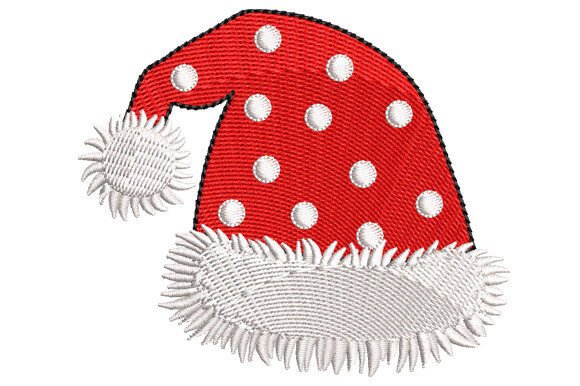
Santa Claus Hat Embroidery Design Review
As an embroidery designer who has spent countless weekends standing behind craft fair booths, I have learned that not every design translates well from screen to fabric. Some look intricate on a monitor but become muddy when stitched out. Others are too subtle to catch the eye of a passerby scanning a crowded table. When I first loaded the Santa Claus Hat machine embroidery design into my software, my immediate goal was to determine if it had the visual punch required for a high-traffic holiday market. After running several test stitches and evaluating its potential across various substrates, I am ready to share my professional assessment of this festive asset.
First Impressions: Festive Charm with Commercial Appeal
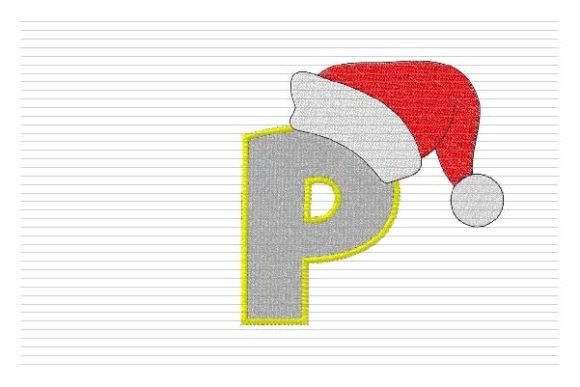
The Santa Claus Hat design immediately strikes a balance between whimsical and classic. It does not rely on overly complex shading or microscopic details that often cause production headaches. Instead, it offers a charming and creative silhouette that is instantly recognizable. For a craft fair seller, recognizability is currency. A customer walking past your booth has only seconds to decide whether to stop. This design infuses personality into fabric without overwhelming the viewer. It feels soft yet bold enough to serve as a focal point, making it an excellent choice for those looking to add a little festive flair to their inventory without sacrificing readability.
In terms of style, this embroidery file leans towards a modern rustic aesthetic. It avoids the cluttered look of vintage Victorian Christmas designs, opting instead for clean lines that appeal to contemporary buyers. This versatility is crucial for handmade shop owners who need to maintain brand consistency while offering seasonal variations. Whether your brand is minimalist, farmhouse, or brightly colorful, this design adapts well because it relies on strong shape definition rather than excessive detail.
Product Versatility: From Tote Bags to Tea Towels
The true test of any digital embroidery file is its adaptability. I evaluated how the Santa Claus Hat performs on the most common craft fair products. Here is where this design shines:
- Tote Bag Design: Placed centrally on a canvas tote, the design acts as a statement piece. The scale works perfectly for a standard 10x10 inch hoop, creating a balanced look that photographs beautifully for Etsy listings.
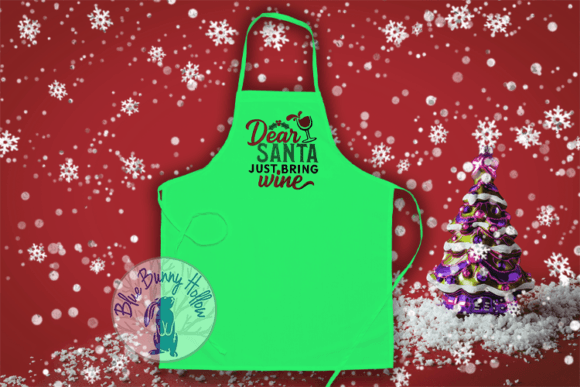
- Apron Embroidery: Positioned on the bib of a kitchen apron, this design adds a touch of holiday cheer to functional wear. It is small enough not to interfere with cooking but large enough to be seen from a distance.
- Tea Towel Embroidery: This is perhaps the strongest application. The design’s simplicity allows it to sit cleanly on textured waffle weave or linen towels. It makes for an affordable small shop product that customers love to buy as hostess gifts.
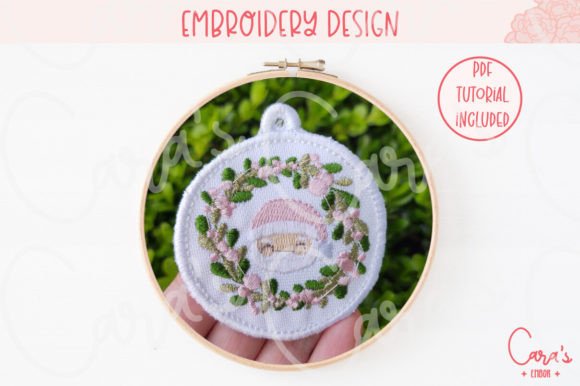
- Embroidered Patch: Because the edges are well-defined, this design digitizes well as a patch. You can stitch it on felt or twill, cut it out, and sell it as a standalone accessory for jackets or bags.
- Caps and Beanies: While curved surfaces are tricky, the compact nature of the hat motif works well on the front panel of a dad cap, provided you use the correct stabilizer.
For boutique makers, the ability to use one design across multiple product lines reduces waste and streamlines production. You can create a cohesive "Holiday Collection" featuring matching tote bags, aprons, and towels, all unified by this single, strong graphic element.
Production Practicality and Stitch Density
From a production standpoint, time is money. When preparing for a weekend craft fair, you need designs that are repeatable and reliable. The Santa Claus Hat appears to be optimized for efficient stitching. However, experienced embroiderers know that we must always verify specific technical details. Since the product description does not specify exact stitch counts or file formats, I strongly advise checking these metrics before committing to a large batch run.
Pay close attention to stitch density. If the design is too dense, it may pucker lightweight fabrics like cotton voile or silk blends. Conversely, if it is too sparse, it might not cover dark fabrics adequately. I recommend testing the design on scrap fabric similar to your final product. Check the thread colors carefully; red and white are traditional, but consider using metallic gold or deep green threads to create unique variations that stand out in a sea of standard holiday items.
Another critical factor is the hoop size. Ensure the design fits comfortably within your standard hoops without requiring excessive re-hooping, which slows down production. For commercial embroidery purposes, efficiency is key. If this design runs quickly and requires minimal trimming, it becomes a high-margin item for your business.
Navigating Fabric Textures and Challenges
Not all fabrics behave the same way. When working with fabric texture, such as thick terry cloth towels or fuzzy fleece, the clarity of the design can suffer. The Santa Claus Hat design seems robust, but tiny details can get lost in plush materials. To mitigate this, use a cut-away stabilizer for stretchy fabrics and a tear-away for stable woven cottons.
If you plan to stitch on dark fabric, consider using an underlay stitch or a lighter top thread to ensure the design pops. For curved surfaces like caps, the design’s lack of extreme fine detailing is an advantage. Complex lettering or thin lines often break or distort on curved seams, but this graphic motif holds its shape well, maintaining its integrity even on challenging surfaces.
Marketing and Visual Appeal for Online Sales
Beyond the physical booth, this design is a valuable asset for digital sellers and Etsy sellers. A clear, attractive embroidery design makes creating a printable mockup much easier. High-quality mockups allow customers to visualize the finished product, increasing conversion rates. When listing this as a digital embroidery file, emphasize its ease of use and versatility in your description.
For those selling finished products, the visual appeal of the Santa Claus Hat enhances perceived value. It looks professional and intentional, not like an afterthought. This contributes to brand consistency, signaling to buyers that your handmade product is crafted with care. Use natural lighting when photographing your samples to highlight the texture of the stitches and the quality of the thread work.
Final Designer Notes and Licensing
Before you launch your holiday campaign, take these final steps. First, confirm the commercial licensing terms. Most designers allow you to sell finished physical products, but restrictions may apply to mass production or sharing the digital file itself. Always read the license included with your design assets.
Second, create at least one real mockup on your intended fabric. Do not rely solely on screen previews. Check spacing, especially if you are combining this design with text or other elements. Ensure there is enough breathing room so the design does not feel cramped.
In conclusion, the Santa Claus Hat is a strong contender for your holiday inventory. It balances aesthetic charm with production practicality, making it suitable for everything from tea towel embroidery to tote bag design. By paying attention to stabilizer choice, thread contrast, and fabric texture, you can transform this simple embroidery file into a best-selling craft fair product. It is a reliable, festive addition to any embroidery designer’s toolkit, ready to help you infuse personality into your handmade creations this season.