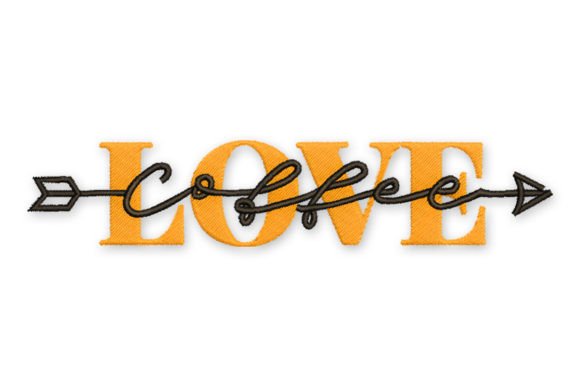
Love Coffee: A Designer’s Review for Branded Merch
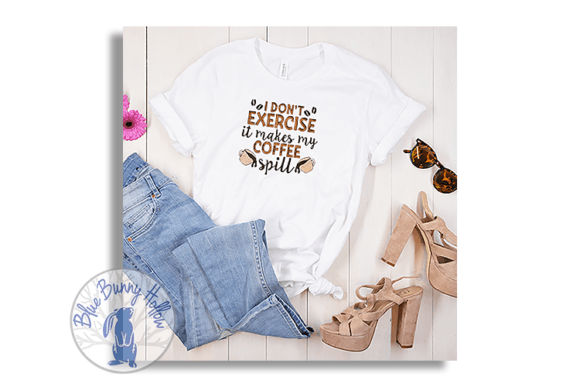
As an embroidery designer who has spent years digitizing files and consulting with small business owners, I approach every new machine embroidery design with a critical eye. It is not just about whether a motif looks cute on a screen; it is about how it performs on fabric, how it elevates a brand, and whether it withstands the rigors of daily wear. Recently, I reviewed the Love Coffee design, and while it sits under the broader category of Tea and Embroidery themes, its application extends far beyond simple home decor. For boutique owners, café operators, and handmade product creators, this file represents a potential asset for building cohesive brand identity.
First Impressions: Whimsy Meets Professional Charm
The initial description invites users to "embellish your fabrics with this lovely embroidery design," promising a touch of whimsy and charm. From a design perspective, this suggests a style that is approachable and friendly rather than starkly corporate. When I visualize Love Coffee, I see a design that bridges the gap between rustic handmade appeal and modern aesthetic sensibilities. It does not scream for attention with aggressive boldness but rather invites engagement through warmth.
For a small business, especially in the hospitality or lifestyle sector, this tone is crucial. A logo that is too rigid can feel cold, while one that is too chaotic lacks professionalism. This design appears to strike a balance, making it suitable for businesses that want to convey comfort, quality, and a personal touch. Whether you are running a local bakery, a florist shop, or a creative studio, the visual personality of this file aligns well with brands that prioritize customer experience and community connection.
Strategic Applications for Small Business Merch
The true value of any digital embroidery file lies in its versatility. Here is how I envision Love Coffee performing across various commercial applications:
- Staff Uniforms and Aprons: Embroidering this design on apron bibs or chest pockets creates an immediate sense of team unity. It transforms a standard uniform into a branded asset that customers recognize and trust.
- Custom Apparel and Caps: For cap embroidery, the design needs to be compact. If the file allows for scaling without losing integrity, it works beautifully as a left-chest logo on work shirts or a subtle accent on baseball caps.
- Tote Bags and Packaging: A tote bag design featuring this motif adds perceived value to retail purchases. Customers are more likely to reuse a high-quality bag with a charming embroidered logo, turning them into walking advertisements for your brand.
- Embroidered Patches: Creating sew-on or iron-on patches allows for flexible branding. You can attach these to jackets, hats, or even product packaging, offering a tactile element that enhances the unboxing experience.
When used correctly, these applications do more than decorate; they build customer trust. A consistently applied visual mark across different touchpoints reinforces professionalism and makes your small business merch feel premium rather than generic.
Technical Considerations for Production Quality
While the aesthetic appeal is strong, practical execution requires careful planning. As a designer, I always advise testing before full-scale production. The description mentions stitching on towels, pillows, and home decor, which implies the design may have been optimized for stable, flat surfaces. However, business use often involves challenging materials.
Fabric texture plays a significant role in the final outcome. On plush towels or thick canvas totes, the stitches need to be dense enough to pop but not so dense that they cause puckering. If you are applying this to curved surfaces like cap fronts, you must check the stitch density. High-density areas can pull on the fabric, distorting the shape of the hat or the garment. Always use the appropriate stabilizer—cut-away for stretchy fabrics and tear-away for stable woven materials—to ensure the finished product remains crisp after washing.
Another critical factor is size. If you plan to use Love Coffee as a small patch or a sleeve detail, verify that any intricate lines or small text remain legible. Tiny lettering can fill in with thread if the design is scaled down too much. I recommend creating a printable mockup at the intended size to check readability before hooping your first sample.
Enhancing Brand Identity and Value
In the competitive landscape of Etsy sellers and craft businesses, differentiation is key. Using a unique embroidery file like this helps distinguish your handmade product from mass-produced alternatives. It signals to the buyer that care and craftsmanship went into the item. This perception of quality allows for higher price points and increased customer loyalty.
Moreover, visual consistency is vital. If your brand uses earth tones, ensure the thread colors you select for this design complement your existing palette. Contrast is essential for visibility, but harmony is essential for brand recognition. Test the design in black and white first to ensure the structure holds up without color reliance. This step reveals if the outlines are clear and if the spacing between elements is sufficient to prevent thread breaks or merging.
Designer Notes for Commercial Use
Before integrating Love Coffee into your commercial embroidery workflow, consider these practical steps:
- Verify File Details: The provided description notes that the design comes with "mu," which may refer to multiple formats or units, but it is incomplete. Always confirm the exact file formats (such as PES, DST, or JEF) and hoop size compatibility with your specific machine before purchase.
- Check Licensing: Ensure the license permits commercial use. Some designers allow unlimited production, while others have caps on the number of items sold. Clarify this to protect your business legally.
- Test on Real Fabric: Never skip the test stitch. Run the design on the actual material you intend to use for your merchandise. Check for thread breaks, nesting, or registration issues.
- Create Client Mockups: If you are designing for a client, present a realistic digital mockup alongside the physical sample. This manages expectations and ensures the design assets meet their branding guidelines.
In conclusion, Love Coffee offers a charming and versatile option for businesses looking to add a personal touch to their merchandise. By paying attention to technical details like stabilizer choice, stitch density, and fabric compatibility, you can transform this simple embroidery design into a powerful tool for brand building. Whether it adorns a barista’s apron or a customer’s tote bag, it serves as a tangible reminder of the care and quality your business represents.