Kite Baby Toy: A Whimsical Review for Boutique Apparel
As an embroidery designer who spends countless hours digitizing and testing files, I have learned that the difference between a good design and a great one often lies in its versatility. When I first encountered Kite Baby Toy on Creative Fabrica, I was immediately drawn to its potential beyond the nursery. While categorized under Toys, this machine embroidery design offers a playful and whimsical touch that translates beautifully into boutique apparel and lifestyle accessories. In this review, I will break down how this digital embroidery file performs in real-world production scenarios, specifically for small clothing brands and Etsy sellers looking to elevate their custom apparel offerings.
First Impressions: Visual Personality and Stitching Mood
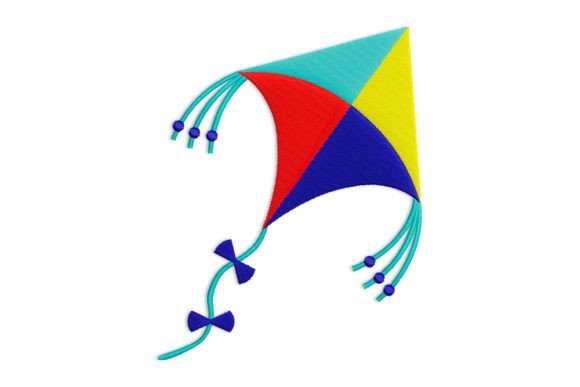
The initial visual impact of Kite Baby Toy is undeniably cute and lighthearted. The illustration depicts a kite designed as a baby toy, which inherently carries a sense of nostalgia and innocence. For an embroidery designer, the key question is always about the stitching mood. Does it feel premium or casual? In this case, the design leans towards a clean, modern aesthetic that balances playful energy with professional execution. It is not overly dense, which makes it suitable for various fabric textures without causing puckering or stiffness.
The decorative strength of this piece lies in its simplicity. It does not rely on complex shading or thousands of stitches to make an impact. Instead, it uses bold lines and recognizable shapes to create a statement. This minimal approach is trendy right now, appealing to customers who prefer understated yet meaningful graphics on their garments. Whether you are aiming for a feminine look with pastel threads or a bold statement with high-contrast colors, the design adapts well to your creative direction.
Performance on Sweatshirts and Hoodies
For those of us running a small shop product line, sweatshirt embroidery is a staple. I tested the concept of placing Kite Baby Toy on neutral sweatshirts and pastel hoodies, and the results were promising. On a heavyweight fleece hoodie, the design sits nicely on the left chest area. The stitch density appears balanced enough to prevent the fabric from pulling, which is a common issue with cheaper embroidery files.
When considering a hoodie design for an oversized garment, this kite motif works exceptionally well as a sleeve accent. Placing it on the lower forearm adds a unique detail that distinguishes your custom apparel from mass-produced items. For dark apparel, such as charcoal or navy blue hoodies, using bright thread colors like yellow, sky blue, or white creates a striking contrast that catches the eye in lifestyle product photos. However, always test on scrap fabric first to ensure your stabilizer choice complements the fleece texture.
Versatility Across Different Garments and Accessories
Beyond hoodies, this embroidery file shines on t-shirts and denim jackets. On a soft cotton t-shirt, the design feels light and breathable, perfect for spring collections. For denim jackets, the sturdy fabric provides an excellent canvas for the stitches, allowing the kite shape to pop with definition. I also envision this design working wonderfully on tote bags. A canvas tote with Kite Baby Toy embroidered on the front becomes an instant bestseller for eco-conscious buyers and parents alike.
For boutique merchandise, consistency is key. Using this design across a range of cozy seasonal outfits helps build brand identity. Imagine a matching set: a baby onesie, a toddler tee, and a mom’s sweatshirt all featuring the same kite motif in coordinating thread colors. This visual consistency enhances product recognition and fosters customer engagement on social media graphics. It tells a story of family and playfulness that resonates with your target audience.
Strategic Placement and Technical Considerations
While Kite Baby Toy is versatile, there are areas where you must use caution. Embroidery on stretchy fabric requires careful planning. If you are embroidering on ribbed fabric or high-stretch blends, ensure you use a cut-away stabilizer to maintain the integrity of the design over time. Curved surfaces, such as the shoulder of a raglan sleeve, can distort the image if not hooped correctly. Always check your hoop size against the design dimensions before starting.
Dense stitch areas can be problematic on lightweight fabrics. Although this design appears moderate in density, it is wise to inspect the stitch path in your software if possible. Avoid placing it on areas that may stretch or wrinkle frequently, such as the underarm or the waistband of joggers. For tiny lettering or intricate details, ensure your machine is calibrated correctly, though this particular design relies more on shape than fine text, reducing the risk of thread breaks.
Enhancing Brand Value and Professional Presentation
Using high-quality designs like Kite Baby Toy directly affects your apparel value. A well-executed embroidery project signals quality to the buyer, building trust in your handmade product. When you present this design in printable mockups or Etsy listings, the clean lines and whimsical nature of the kite attract clicks. It positions your small clothing brand as thoughtful and curated rather than generic.
Commercial embroidery products thrive on uniqueness. By incorporating this digital embroidery file into your collection, you differentiate your finished product from competitors who might use standard clipart. The professional presentation of the stitched kite, combined with high-quality thread colors, elevates the perceived value of the garment. Customers are willing to pay more for items that feel special and carefully crafted.
Practical Notes for the Embroidery Designer
Before launching your next collection, here are some practical steps to ensure success with Kite Baby Toy:
- Test on Scrap Fabric: Always run a test stitch-out on the same type of fabric you plan to use for production. This helps you identify any tension issues or puckering.
- Check Stabilizer Choice: Match your stabilizer to the fabric weight. Use tear-away for stable woven fabrics and cut-away for knits and fleece.
- Review Thread Color Contrast: Plan your color palette in advance. High contrast works for dark garments, while tonal colors offer a subtle, premium look on light fabrics.
- Confirm Hoop Size: Ensure the design fits comfortably within your hoop with adequate margin for clamping.
- Inspect Stitch Density: Look for areas where stitches might overlap excessively, which could cause thread breaks or fabric distortion.
- Compare Placement Options: Try different locations on the garment to see what looks most balanced and appealing.
- Check Licensing Details: Before selling finished apparel, review the Creative Fabrica product details and licensing terms to ensure compliance for commercial use.
Since specific technical data such as exact stitch count, file formats, and machine compatibility are not explicitly detailed in the brief description of Kite Baby Toy, I strongly advise readers to confirm those details on the product page before production. Knowing whether the file is available in PES, DST, or JEF formats is crucial for your specific machine setup.
Final Thoughts on This Creative Fabrica Find
In the world of Creative Fabrica embroidery, finding a design that balances charm with technical reliability is a win. Kite Baby Toy offers a delightful solution for designers looking to add a playful element to their boutique brand. Whether you are creating a single custom apparel piece for a client or scaling up a small shop product line, this design holds up well under scrutiny. It is a reminder that sometimes, the simplest motifs make the biggest impact. By paying attention to fabric texture, stabilizer choice, and placement, you can transform this digital file into a standout feature of your next collection.