Christmas Tree Card: A Designer’s Review for Craft Fairs
As an embroidery designer who has spent countless weekends behind a booth table, I know that not every design is created equal when it comes to driving sales. We often get caught up in complex, high-stitch-count masterpieces, but the real money makers at craft fairs are frequently the simple, charming accents that customers can understand in a split second. That is why I took a close look at the Christmas Tree Card machine embroidery design. Based on its description as a lightly stitched pattern intended for quick production, this piece offers a unique opportunity for handmade shop owners and Etsy sellers looking to maximize their holiday inventory without burning out.
First Impressions and Aesthetic Appeal
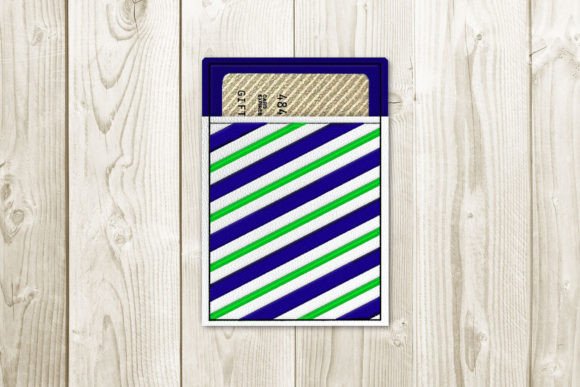
The first thing that strikes me about the Christmas Tree Card is its inherent simplicity. In a market saturated with dense, heavy embroidery, a lightly stitched design feels fresh and modern. It does not scream for attention with bulk; instead, it whispers with charm. This aesthetic leans heavily into the minimalist and rustic farmhouse trends that have dominated the handmade sector for years. For a craft fair product, this is a significant advantage. It feels approachable rather than intimidatingly expensive, which encourages impulse buys from browsers who might hesitate at a heavily embroidered tote bag.
The title suggests a card format, but the versatility lies in its scale. Because it stitches out quickly, it serves as an ideal accent rather than a overwhelming focal point. This subtlety allows it to blend seamlessly into various fabric textures without distorting the material. Whether you are aiming for a soft, vintage vibe or a clean, contemporary look, this design adapts well because it relies on outline and suggestion rather than solid fill areas.
Strategic Product Placement for Maximum Sales
When preparing my booth display, I always ask where a specific embroidery file will perform best. The Christmas Tree Card is not just for paper cards. Its lightweight nature makes it exceptionally suitable for items where bulk is a disadvantage. Here is how I would deploy this design across a range of small shop products:
- Tea Towel Embroidery: This is perhaps the strongest candidate. Heavy stitching can make towels stiff and unpleasant to use. A light design keeps the fabric soft and absorbent while adding festive value.
- Apron Embroidery: Placing this tree on the pocket of a linen apron creates a subtle, professional look that appeals to home cooks and bakers during the holiday season.
- Embroidered Patch: If stabilized correctly, this design can be turned into iron-on patches. These are high-margin items that allow customers to customize their own jackets or bags.
- Tote Bag Design: Instead of a large central image, use this as a repeating pattern or a small corner accent on canvas totes. It adds detail without compromising the bag's structural integrity.
- Fabric Pouches and Market Bags: Small zippered pouches benefit from delicate designs that do not pucker the thin fabric.
For digital sellers and creative entrepreneurs, this design also works beautifully in printable mockups. Because it is clean and uncluttered, it photographs well for Etsy listings, allowing the texture of the fabric to shine through the stitches.
Production Efficiency and Batch Viability
From a business perspective, time is money. The description notes that this design stitches out really quickly. For a commercial embroidery operation or a solo maker preparing for a busy December market, speed is critical. A fast-stitching design means you can produce more finished products in less time. It reduces wear on your machine and lowers the risk of thread breaks or tension issues that often plague longer runs.
This efficiency makes the Christmas Tree Card perfect for batch production. You can hoop multiple tea towels or cut several patch blanks and run them through your machine with minimal supervision. This repeatability is essential for maintaining consistent stock levels during the peak holiday rush. Furthermore, because the stitch density is low, you use less thread, which slightly improves your profit margin on each small shop product sold.
Technical Considerations and Careful-Use Notes
While the simplicity of this design is a strength, it requires careful technical execution to ensure quality. As an experienced designer, I must highlight several practical considerations before you commit to full-scale production.
First, consider your stabilizer. Even with light stitching, using the wrong stabilizer on textured fabrics like waffle-weave towels can lead to sinking or puckering. Always test on scrap fabric first. Second, pay attention to thread colors. Because the design is minimal, the contrast between the thread and the fabric is crucial. A dark green thread on a black towel will vanish, whereas a gold or red thread will pop. Ensure your color choices enhance visibility.
Be cautious with curved surfaces like caps. While possible, placing a linear tree design on a curved brim requires precise hooping to avoid distortion. Additionally, if you plan to scale the design down significantly for tiny ornaments or jewelry, check that the details remain clear. Tiny lettering or fine lines can merge if the design is reduced too far, losing its clarity. Always verify the recommended hoop size and adjust your scaling accordingly to maintain the integrity of the lines.
Enhancing Brand Consistency and Buyer Engagement
Incorporating the Christmas Tree Card into your lineup can strengthen your brand’s visual identity. If your boutique focuses on understated elegance or rustic charm, this design reinforces that narrative. It shows customers that you value quality and subtlety over flashiness. When displayed alongside bolder items, it provides visual relief, making your booth feel curated and thoughtful rather than chaotic.
Buyer engagement increases when customers can see the versatility of a design. By showing the same tree on a towel, a patch, and a card, you demonstrate the value of your craftsmanship. It invites customers to imagine how the design might look in their own homes, increasing the likelihood of a sale. For Etsy sellers, this versatility allows for multiple listing variations using the same digital embroidery file assets, maximizing your online presence without creating entirely new designs from scratch.
Final Designer Recommendations
Before launching this as a core part of your holiday collection, take these final steps. Create at least one real mockup on your intended final fabric to check for any unexpected pulling or gapping. Compare different fabric colors to see which combinations offer the best visual appeal. Most importantly, confirm the commercial licensing terms of the digital embroidery file. Ensure you have the right to sell the finished product, especially if you are operating as a commercial embroidery business.
The Christmas Tree Card is a testament to the power of simplicity in handmade goods. It is practical, efficient, and aesthetically pleasing, making it a smart choice for any craft fair seller looking to balance quality with productivity. By leveraging its quick stitch time and versatile application, you can create a cohesive, attractive product line that resonates with buyers seeking authentic, handcrafted holiday cheer.